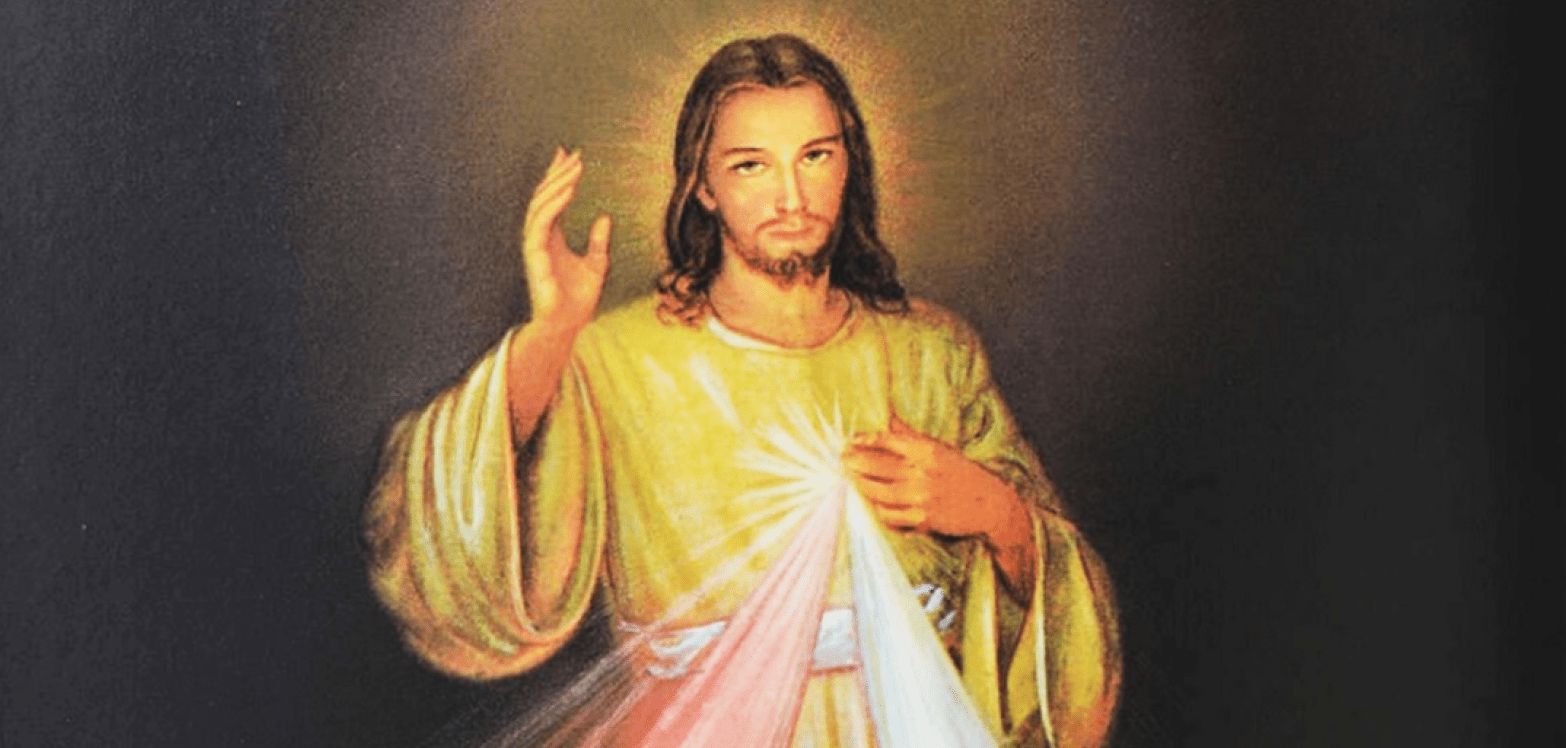
While seeking answers to my many questions about the life of the Virgin Mary, I am finding that much of what is written about her life comes from so-called mystics. In a recent post about the Sixth Sorrow of Mary, St. Bridget of Sweden is quoted as describing Mary’s own recollection of her agony at the Crucifixion during a visitation. In other words, Mary told St. Bridget what she was feeling at the time. Incredible to hear from the Virgin Mary herself about that experience!
My first thought upon reading this, however, was, Can we trust the source? Was St. Bridget really seeing the Blessed Mother?
I’ve always thought of a mystic as someone who could see the future. You know, people who gaze into crystal balls and tell fortunes. I never believed in any of that. So I was confused when I came across Catholic saints who are also identified as “mystics.” Aleteia.org describes mystics as “those who have a unique relationship with God.”
Catholic mystics, as described by Professor Bernard McGinn of the University of Chicago Divinity School in a 2013 video interview, are those who are “committed to the search for a deeper contact with God.” St. Teresa of Avila and St. John of the Cross are both supreme examples, he says, of Catholic saints who have found God in a deeper sense.
McGinn is past-president of the American Catholic Historical Association and co-author of “Early Christian Mystics: The Divine Vision of the Spiritual Masters.”
McGinn says, “Everybody is called to be a mystic…everybody is called to be on the mystical path, which is the path of trying to find God in a deeper way in your life.”
Philip Kosloski, a prolific Catholic writer, writes on aleteia.org:
“A mystic is someone who desires union with God and actively tries to foster that union. At times this union is miraculously expressed through spiritual ecstasies or visions, but it is not always the case. A true mystic does not seek out these extraordinary experiences, but they often occur because their heart is in such a profound union with God.”
Themysticsaints.wordpress.com lists Christian and Catholic mystics of the various periods from early Christianity to the Twentieth Century. Saint Faustina, to whom Jesus appeared on Feb. 22, 1931, lived less than 100 years ago (1905-1938) and was born AFTER my own paternal grandfather was born. She was a Catholic nun and also a mystic. She describes her vision of Christ in much the same way the image of the Divine Mercy is depicted. She was canonized on April 30, 2000.
Mystics and their reported visitations must be approved by the Catholic Church before devotions and feast days are named.
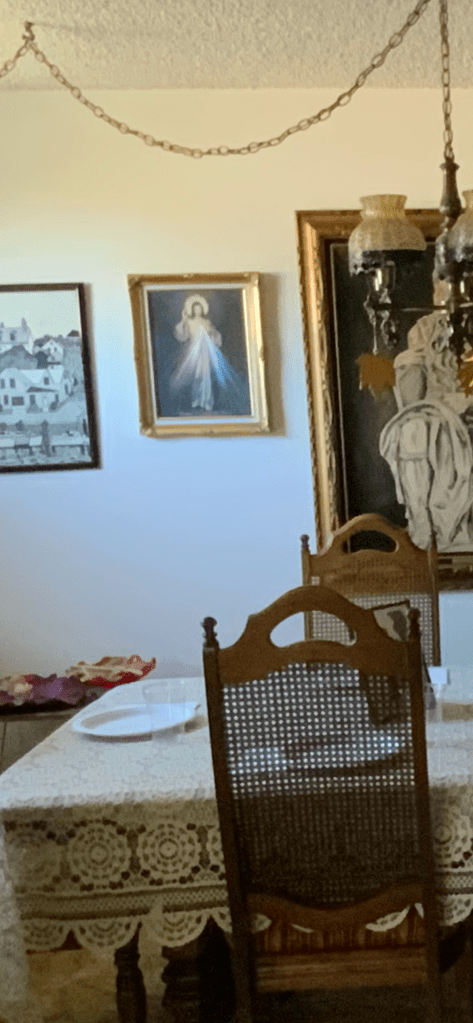
/ Photo: @maryshandmaiden
We are all called to strive to be saints, but saints are named as such by man. A true mystic is called by God himself.
I am hoping to bring more knowledge about the Virgin Mary to the world, especially during these times when we need her most. Please consider sharing this post, this site, or its social media pages on Facebook and Instagram. I invite you to subscribe to this site (below) to be notified of new posts. Thank you.
 searchingforthevirginmary.com